


25 Sep How to Tell If Tooth Pain Is a Cavity or Something More Serious | Sand Springs, OK
Tooth pain can be hard to ignore. Whether it starts as a quick twinge when you drink something cold or develops into a persistent ache, dental pain is your body’s way of telling you that something may need attention.
A cavity is one possible cause of tooth pain, but it isn’t the only one. Tooth sensitivity, gum problems, a cracked tooth, an infection, teeth grinding, and even sinus pressure can all cause discomfort.
Understanding the possible causes of tooth pain can help you recognize when it’s time to schedule a dental appointment. While certain symptoms may point toward a cavity or another common problem, only a dental professional can determine the actual cause.
| Possible Cause | Common Symptoms | Typical Urgency |
| Cavity | Sensitivity to sweets, temperature, or pressure | Schedule an exam soon |
| Cracked Tooth | Sharp pain when biting or releasing, temperature sensitivity | See a dentist promptly |
| Gum Disease | Red or swollen gums, bleeding, bad breath | Schedule an exam soon |
| Teeth Grinding | Jaw soreness, general tooth ache, worn enamel | Mention at your next visit |
| Sinus Pressure | Upper teeth ache, pain worsens leaning forward | Usually resolves with sinus symptoms |
| Infection or Abscess | Severe or persistent pain, swelling, fever | Seek care right away |
What Does a Cavity Feel Like?
A cavity, also called dental caries or tooth decay, develops when acids produced by oral bacteria gradually damage tooth enamel.
Early tooth decay may not cause any noticeable symptoms. As the cavity progresses deeper into the tooth, however, you may begin experiencing sensitivity or pain.
Cavities remain extremely common. According to the National Institute of Dental and Craniofacial Research, nearly 90 percent of adults ages 20 to 64 have had tooth decay at some point, and roughly 1 in 5 adults in that age range has untreated decay right now.
Common signs of a cavity can include:
- Sensitivity to hot, cold, or sweet foods
- Pain when biting or chewing
- A toothache that comes and goes
- A visible dark spot, pit, or hole in the tooth
- Food frequently getting stuck in one particular area
- Persistent sensitivity in one tooth
A cavity doesn’t always cause severe pain. In fact, waiting for significant pain before seeing a dentist can allow decay to progress further.

Tooth Sensitivity Doesn’t Always Mean You Have a Cavity
Tooth sensitivity is one of the most common dental complaints, but sensitivity alone doesn’t necessarily mean you have tooth decay.
You may experience sensitivity when enamel becomes thinner or when gum tissue recedes and exposes the underlying dentin. Dentin contains microscopic tubules that can transmit sensations toward the nerve inside the tooth.
Sensitivity can be triggered by:
- Cold drinks
- Hot foods or beverages
- Ice cream
- Sweet foods
- Acidic foods
- Cold air
If sensitivity is brief and occurs only with a specific trigger, it may be related to exposed dentin or enamel wear. However, persistent or worsening sensitivity should still be evaluated by your dentist.
What If Your Tooth Hurts When You Bite Down?
Pain when biting or chewing can have several possible causes.
A cavity can cause discomfort when pressure reaches an area weakened by decay. However, pain when biting may also occur with a cracked or fractured tooth, a damaged filling, inflammation around the tooth, or an infection.
Pay attention to whether the pain occurs consistently when you bite down or only with certain foods or movements.
Wondering What’s Causing Your Tooth Pain? Ask Your Dentistry For You Team
Could a Cracked Tooth Be Causing the Pain?
A cracked tooth can sometimes be difficult to identify because the pain may be inconsistent.
You might experience a sharp sensation when biting down or when releasing your bite. Some people also notice sensitivity to temperature.
Cracks can occur because of trauma, biting hard objects, teeth grinding, or normal wear over time. Large fillings can also affect the structural integrity of a tooth in some situations. Because cracks can worsen, don’t ignore recurring pain that seems to come from one specific tooth.
The American Association of Endodontists notes that cracked tooth pain is often erratic, appearing suddenly when chewing or when the tooth is exposed to hot or cold, which can make the problem tricky to pin down without an exam.
Gum Problems Can Also Cause Tooth Pain
Not all dental pain originates inside the tooth itself. Your gums can also become irritated, inflamed, or infected.
Gingivitis, the earliest stage of gum disease, may cause:
- Red or swollen gums
- Bleeding during brushing or flossing
- Tenderness
- Bad breath
More advanced periodontal disease can cause additional symptoms, including gum recession, persistent inflammation, or changes in how teeth fit together.
Gum disease is common. The Centers for Disease Control and Prevention reports that nearly half of adults age 30 and older have some form of periodontitis, and about 8 percent have a severe form of the disease.
Could Teeth Grinding Be the Problem?
If you regularly clench or grind your teeth, you may experience tooth or jaw discomfort without having a cavity.
Bruxism can place significant pressure on teeth and may contribute to:
- Tooth sensitivity
- Worn enamel
- Cracked or chipped teeth
- Jaw soreness
- Morning headaches
- Facial muscle tenderness
If you frequently wake up with a sore jaw or notice unusual tooth wear, talk with your dentist. They can look for signs of grinding and discuss options that may help protect your teeth.
Sinus Pressure Can Feel Like a Toothache
Sometimes the source of tooth pain isn’t actually a dental problem.
Your upper back teeth are located close to your maxillary sinuses. When you have sinus congestion or inflammation, pressure in the area can create discomfort that feels like it’s coming from your teeth.
Sinus-related discomfort may affect several upper teeth at once and may become more noticeable when bending forward.
When Tooth Pain May Signal an Infection
A dental infection can develop when bacteria reach the inner portion of a tooth or surrounding tissues. This can happen because of untreated decay, trauma, cracks, or other dental problems.
Possible signs of a dental infection include:
- Severe or persistent tooth pain
- Swelling around the tooth or face
- Sensitivity to hot or cold that lingers
- Pain when biting
- A bad taste in the mouth
- Fever
- Swollen lymph nodes
- A pimple or draining area on the gums
A suspected dental infection requires prompt professional evaluation. If swelling is significant or you are having difficulty breathing or swallowing, seek emergency medical attention.
According to MedlinePlus, a continuous, throbbing toothache along with a pimple like bump on the gums are classic signs of a tooth abscess, and swelling that spreads to the jaw is considered a serious symptom that needs immediate attention.
How Long Should You Wait Before Seeing a Dentist?
It’s tempting to wait and see whether tooth pain disappears, especially if the discomfort is mild or comes and goes. However, pain that repeatedly returns deserves attention. Dental problems don’t always resolve simply because symptoms temporarily improve.
Contact your dentist if you experience:
- Tooth pain lasting more than a day or two
- Repeated sensitivity in the same tooth
- Pain when chewing
- Swelling or tenderness
- A cracked or chipped tooth
- Persistent bad breath or a bad taste
- A visible spot, hole, or discoloration
- Symptoms that are getting worse
Getting evaluated early can help identify the cause and determine whether treatment is necessary.
MedlinePlus, a service of the National Library of Medicine, advises contacting a healthcare provider whenever tooth pain lasts longer than a day or two or comes with fever or difficulty opening your mouth.
What Happens During a Dental Visit for Tooth Pain?
If you visit the dentist because of tooth pain, your dental team will typically begin by asking questions about your symptoms.
Be prepared to describe:
- Where the pain occurs
- When it started
- What triggers it
- Whether it’s sharp, dull, throbbing, or aching
- How long the pain lasts
- Whether it occurs spontaneously
- Whether you have swelling or other symptoms
Your dentist may examine the affected tooth, gums, and surrounding tissues. Depending on your symptoms, they may also recommend dental X-rays or other diagnostic tests. The goal is to determine whether the discomfort is caused by decay, sensitivity, a crack, gum disease, an infection, or another issue.
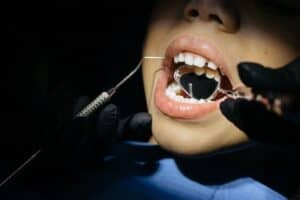
Why You Shouldn’t Try to Diagnose Tooth Pain Yourself
Searching your symptoms online can give you a general idea of what might be happening, but it can’t determine the actual cause of your pain.
Several dental conditions can produce similar symptoms. For example, sensitivity to cold could be related to a cavity, exposed dentin, gum recession, enamel wear, or another issue. That’s why an examination is important.
Your dentist can evaluate the entire area and determine what treatment, if any, is appropriate.
How to Protect Your Teeth From Future Pain
You can’t prevent every cause of tooth pain, but consistent preventive care can reduce your risk of many common dental problems.
Protect your smile by:
- Brushing twice a day with fluoride toothpaste
- Cleaning between your teeth daily
- Limiting frequent sugary snacks and drinks
- Drinking water regularly
- Wearing a mouthguard during recommended sports
- Avoiding chewing ice or other hard objects
- Addressing teeth grinding with your dentist
- Keeping regular dental exams and cleanings
Routine preventive visits are particularly important because cavities and other dental problems don’t always cause symptoms in their early stages.
Don’t Wait Out Tooth Pain, Schedule Your Visit With Dentistry For You Sand Springs
Don’t Ignore Tooth Pain
Tooth pain doesn’t automatically mean you have a cavity, but it shouldn’t be ignored either. A brief twinge may have a relatively simple explanation, while persistent, worsening, or severe pain can signal a problem that needs prompt attention.
Cavities, sensitivity, cracked teeth, gum problems, grinding, sinus pressure, and infections can all produce discomfort—and some conditions require treatment before they become more complicated.
If something doesn’t feel right, your dentist can help determine what’s causing the pain and what steps can protect your oral health moving forward.
Have a Tooth That Hurts? Let Your Dentist Take a Look.
You don’t have to wait for tooth pain to become severe before seeking care. If you’re experiencing persistent sensitivity, discomfort when chewing, swelling, or another change in your mouth, schedule a dental evaluation.
Identifying the cause early can help you address the problem sooner and get back to enjoying a comfortable, healthy smile.
Frequently Asked Questions
Can tooth pain go away on its own?
Mild, brief sensitivity sometimes resolves without treatment, but pain that lingers, worsens, or keeps coming back usually points to an underlying problem that needs a dentist’s evaluation rather than time alone.
Is it normal for a tooth to hurt after a filling?
Some sensitivity after a filling is common and typically fades within a few days to a couple of weeks. If the pain is severe, worsens over time, or does not improve, contact your dentist to have the tooth checked.
Why does my tooth hurt more at night?
Lying down can increase blood flow to the head and change pressure around an inflamed tooth, which is why dental pain often feels worse at night. Persistent nighttime pain is worth mentioning to your dentist.
Can a sinus infection really cause tooth pain?
Yes. The roots of your upper back teeth sit close to the sinuses, so sinus pressure or infection can create an ache that feels like it is coming from your teeth, especially when bending forward.
When should I treat tooth pain as an emergency?
Seek prompt or emergency care for severe pain, facial or jaw swelling, fever, or difficulty breathing or swallowing. These symptoms can indicate a spreading infection that needs urgent treatment.

Sorry, the comment form is closed at this time.