

20 Aug How to Choose the Right Mouthguard for Sports and Activities | Sand Springs, OK
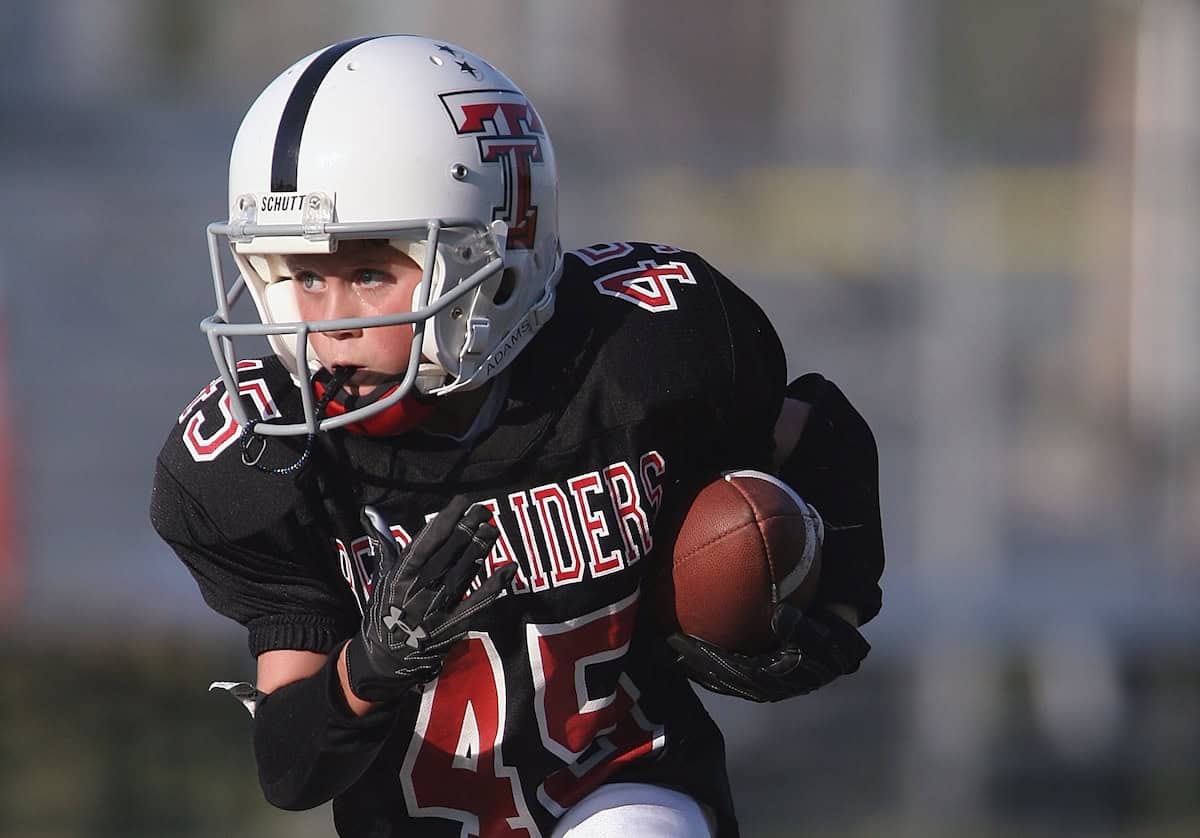
Whether your child plays football, your teen participates in basketball, or you enjoy recreational sports yourself, protecting your teeth should be part of the game plan.
Dental injuries can happen in an instant, and a mouthguard is one of the simplest ways to help protect your teeth, gums, lips, cheeks, and jaw from impact. But not all mouthguards are the same.
With options ranging from inexpensive stock mouthguards to custom-fitted guards from your dentist, knowing which type is right for you can make a significant difference in comfort, protection, and consistency. So, how do you choose the right mouthguard for sports? Here’s what to know before your next practice, game, or competition.
Why Wear a Mouthguard for Sports?
Sports-related dental injuries can happen during contact sports, but you don’t have to participate in a high-contact activity to experience an accident. Falls, collisions, errant balls, and unexpected contact can all result in injuries to the mouth.
The American Dental Association reports that athletes who wear a properly fitted mouthguard are between 82 and 93 percent less likely to suffer a dentofacial injury during play. Federal research on youth sports equipment use has also linked consistent mouthguard use to roughly a 50 percent drop in football related mouth and face injuries, according to a federally archived dental injury study.
A properly fitted mouthguard creates a protective barrier between the teeth and surrounding soft tissues. It can help cushion impact and reduce the likelihood of certain dental injuries. Wearing a mouthguard may help protect against:
- Chipped or broken teeth
- Cuts to the lips, cheeks, and tongue
- Damage to dental restorations
- Injuries caused by teeth coming together forcefully
- Trauma to the jaw
For athletes who wear braces or other dental appliances, a mouthguard can provide an additional layer of protection for both the teeth and orthodontic hardware.
Not Sure Which Mouthguard Is Right for You? Ask Your Dentistry For You Team

Who Should Wear a Mouthguard?
Mouthguards are commonly associated with football, hockey, and other contact sports, but dental injuries can happen in many activities. A mouthguard may be beneficial for athletes participating in:
- Football
- Hockey
- Lacrosse
- Basketball
- Baseball and softball
- Soccer
- Wrestling
- Boxing and martial arts
- Skateboarding
- Gymnastics
- Volleyball
- Cycling
The level of risk varies by activity, but even sports that aren’t considered high-contact can involve falls or collisions. The American Academy of Pediatric Dentistry encourages properly fitted mouthguards for children in any sport with a meaningful risk of contact, not just the sports that require one by rule. If you’re unsure whether your child’s sport warrants a mouthguard, ask your dentist for a recommendation.
The Three Main Types of Mouthguards
When shopping for a sports mouthguard, you’ll generally encounter three primary options: stock mouthguards, boil-and-bite mouthguards, and custom-fitted mouthguards. Each has advantages and disadvantages, so understanding the differences can help you make an informed decision.
| Feature | Stock Mouthguard | Boil and Bite | Custom Fitted |
| Cost | Lowest | Low to moderate | Highest |
| Fit | Loose, one size fits most | Moderate, self molded at home | Precise, made from a dental impression |
| Comfort | Often bulky | Better than stock | Best available |
| Protection Level | Basic | Moderate | Highest |
| Where to Get It | Sporting goods store | Sporting goods store or pharmacy | Your dentist’s office |
| Best For | Occasional or budget conscious use | Regular recreational play | Competitive athletes, braces, or dental work |
1. Stock Mouthguards
Stock mouthguards are pre-formed and ready to wear right out of the package. They are generally the least expensive option.
Because they aren’t molded specifically to the wearer’s teeth, they may not fit as securely as other types. Athletes may need to keep their jaws closed to hold the mouthguard in place, which can make talking, breathing, or concentrating on the game more difficult. Stock mouthguards can provide some protection, but their fit and comfort may be limited. Still, the ADA’s MouthHealthy resource notes that even an inexpensive stock mouthguard offers more protection than wearing none at all.
2. Boil-and-Bite Mouthguards
Boil-and-bite mouthguards are made from thermoplastic material that softens when heated. The athlete bites into the softened material to create a more customized fit. These mouthguards are widely available and generally cost more than stock guards but less than custom options.
A properly molded boil-and-bite mouthguard can provide a better fit than a stock mouthguard. However, the quality of the fit depends on the material and how accurately the mouthguard is molded. If the mouthguard becomes loose, uncomfortable, or damaged, it should be replaced.
3. Custom-Fitted Mouthguards
Custom mouthguards are made by a dental professional to fit the athlete’s mouth. Because the guard is specifically designed for the individual’s teeth and bite, custom-fitted mouthguards typically provide excellent comfort and retention.
They can also be especially helpful for athletes with braces, dental restorations, or other specific oral health considerations. A custom mouthguard may cost more than an over-the-counter option, but many athletes and parents consider the improved fit and comfort worthwhile.
Are Custom Mouthguards Better?
For many athletes, a custom-fitted mouthguard offers important advantages. A mouthguard that fits properly is more likely to stay in place during activity, which means the athlete doesn’t have to constantly adjust or bite down on it.
This can make it easier to breathe, communicate, and focus on the activity. Custom mouthguards can also be designed around an individual’s dental needs.That can be particularly important for people with:
- Braces
- Dental bridges
- Crowns
- Dental implants
- Missing teeth
- A history of dental injuries
Your dentist can determine whether a custom mouthguard is appropriate based on your specific situation.
Choosing a Mouthguard for Braces
If you or your child wears braces, protecting the mouth becomes especially important during sports. A standard mouthguard may not provide enough room for orthodontic brackets and the changes that occur as teeth move. Some mouthguards are specifically designed to accommodate braces and provide additional space.
Ask your dentist or orthodontist before purchasing a mouthguard if you have braces. They can recommend an option that provides appropriate protection without interfering with orthodontic treatment. Remember that your child’s mouth changes as teeth move, so the mouthguard may need to be replaced or adjusted throughout treatment.
What Makes a Good Sports Mouthguard?
Regardless of which type you choose, look for a mouthguard that is comfortable, secure, and appropriate for the activity. A good mouthguard should:
- Fit securely
- Stay in place without constant biting
- Allow comfortable breathing
- Make it reasonably easy to communicate
- Cover the teeth and surrounding areas appropriately
- Be thick enough to provide meaningful protection
- Be made from durable material
- Be easy to clean
If an athlete refuses to wear a mouthguard because it feels uncomfortable or interferes with breathing or speaking, they are less likely to use it consistently. Fit matters because the best mouthguard is one the athlete will actually wear.

How Should a Mouthguard Fit?
A properly fitted mouthguard should remain securely in place without requiring constant clenching. It should not be so loose that it falls out while talking or moving. It also shouldn’t cause significant discomfort, gagging, or difficulty breathing.
If your child complains that a mouthguard feels bulky, slips around, or makes it difficult to talk, consider having the fit evaluated. A dentist can help determine whether the mouthguard fits properly and whether a different type would provide better protection.
How to Care for a Sports Mouthguard
Taking care of a mouthguard can help keep it clean, comfortable, and functional. After each use:
- Rinse the mouthguard with cool or lukewarm water.
- Gently clean it as recommended by the manufacturer or your dental team.
- Allow it to air dry completely.
- Store it in a ventilated protective case.
Avoid exposing the mouthguard to very hot water unless the manufacturer’s instructions specifically recommend it. Heat can change the shape of certain mouthguards and affect their fit. Do not chew on the mouthguard. Chewing can damage the material and reduce its ability to provide protection.
When Should You Replace a Mouthguard?
Mouthguards don’t last forever. They should be inspected regularly for signs of damage or changes in fit. Replace a mouthguard if you notice:
- Tears or holes
- Significant thinning
- Chewed or damaged areas
- Loose or altered fit
- Changes in comfort
- Excessive wear
- A change in the athlete’s teeth or bite
Children and teenagers may need to replace mouthguards more frequently because their mouths and teeth are still developing. If a child loses a baby tooth, gets new permanent teeth, or undergoes orthodontic changes, their existing mouthguard may no longer fit correctly.
Skipping a mouthguard carries real risk: close to 39 percent of dental injuries in the United States happen during sports, and the National Athletic Trainers’ Association reports that athletes without one face up to twice the risk of an oral injury, with lifetime treatment costs that can exceed $15,000 for a single lost tooth. Replacing a worn or outgrown mouthguard is a small investment next to that risk.
Talk to Your Dentist About the Right Mouthguard
Choosing the right mouthguard isn’t just about finding the least expensive option. Fit, comfort, durability, and your individual oral health needs should all factor into the decision.
For occasional recreational activities, an over-the-counter option may be sufficient for some people. Athletes who participate regularly, compete at a high level, wear braces, or have specific dental concerns may benefit from a custom-fitted mouthguard. Your dentist can help you determine which option makes the most sense for your teeth, your sport, and your needs.
Schedule Your Visit With Dentistry For You Sand Springs
Protect Your Smile Before the Game Starts
A dental injury can happen in a matter of seconds, but the consequences can last much longer. Wearing a properly fitted mouthguard is a simple preventive step that can help protect your teeth during sports and other physical activities.
Whether you choose a stock, boil-and-bite, or custom-fitted mouthguard, make sure it fits comfortably, stays securely in place, and is replaced when it becomes worn or no longer fits properly.
Before the next practice or game, talk with your dentist about the best way to protect your smile. A little preparation now can help keep your teeth healthy and your focus where it belongs—on the activity you love.
Frequently Asked Questions
How much does a custom mouthguard cost compared to store bought options?
Custom fitted mouthguards from your dentist typically cost more than stock or boil and bite versions found at sporting goods stores, but they are made from an impression of your own teeth for a precise fit. Ask your dentist about pricing and whether your dental insurance covers custom mouthguards.
Can I wear a mouthguard if I have braces?
Yes. Standard mouthguards may not leave enough room for brackets and the gradual shifting of teeth during treatment, so your dentist or orthodontist can recommend a mouthguard designed to fit comfortably over braces and protect both the teeth and the appliance.
How often should I replace my mouthguard?
Replace a mouthguard as soon as you notice tears, thinning, a loose fit, or visible wear. Growing children and teens, especially those with braces or new permanent teeth, often need replacements more frequently than adults.
Do I need a mouthguard for non contact sports?
Dental injuries are not limited to high contact sports. Falls, collisions, and unexpected impacts can happen during activities like gymnastics, skateboarding, and cycling, so a mouthguard is worth considering for many recreational sports as well.
Can I clean my mouthguard with mouthwash or in the dishwasher?
No. Dishwashers and very hot water can warp the material and ruin the fit. Rinse your mouthguard with cool or lukewarm water after each use, clean it as your dentist or the manufacturer recommends, and store it in a ventilated case to air dry.

Sorry, the comment form is closed at this time.