

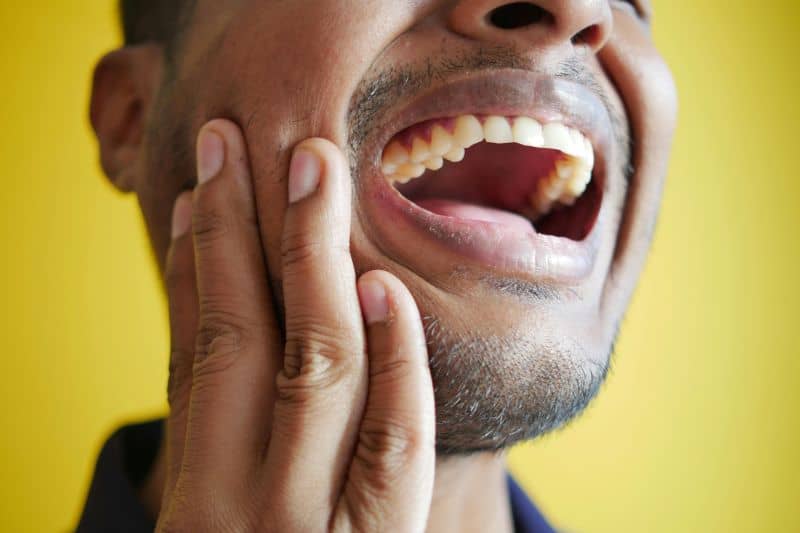
28 Feb Toothache Relief Options at Home: What Works (and When to See a Dentist)
Toothache Relief Options at Home: What Works (and When to See a Dentist) + 9 Powerful Remedies
Tooth pain can stop you in your tracks. One minute you’re fine, and the next, a sharp jolt makes it hard to eat, sleep, or think clearly. If you’re searching for toothache relief options at home, you’re not alone. Millions of people experience dental discomfort each year, and many want fast, safe solutions before seeing a dentist.
The good news? There are effective home remedies that can reduce pain, calm inflammation, and control bacteria. However, it’s also important to know when these solutions are only temporary fixes and when professional care becomes essential.
In this comprehensive guide, you’ll learn what causes tooth pain, which remedies actually work, and when it’s time to seek expert help.

Understanding Tooth Pain: Why It Happens
Tooth pain rarely appears without reason. It usually signals irritation, inflammation, or infection affecting the sensitive inner layers of your tooth.
Inside every tooth is pulp. This soft tissue contains nerves and blood vessels. When it becomes inflamed, pain can feel intense. According to the American Dental Association (ADA) (https://www.ada.org), untreated dental issues can quickly progress from mild discomfort to severe infection.
Let’s explore common causes.
Cavities and Decay
Cavities are the leading cause of tooth pain. Bacteria feed on sugars in your mouth and produce acids that erode enamel. Once decay reaches the dentin or pulp, pain often begins.
Symptoms include:
- Sensitivity to hot or cold
- Sharp pain when chewing
- Visible holes or dark spots
Gum Disease and Infection
Inflamed gums can cause throbbing discomfort around teeth. If bacteria spread deeper, an abscess may form. This can lead to swelling, fever, and severe pain.
Cracked or Damaged Teeth
Even small cracks can expose nerves. Grinding your teeth at night or biting hard foods may cause damage without you realizing it.
Sinus Pressure and Referred Pain
Upper back teeth sit close to sinus cavities. When sinuses become inflamed, pressure may feel like a toothache.
Understanding the root cause helps determine which toothache relief options at home will work best—and when they won’t.
Toothache Relief Options at Home That Actually Work
If you’re dealing with sudden discomfort, several home remedies may provide short-term relief. These methods don’t cure underlying problems, but they can ease pain until you see a dentist.
1. Saltwater Rinse
Saltwater acts as a natural disinfectant. It reduces bacteria and soothes inflamed tissues.
How to use:
- Mix ½ teaspoon of salt in warm water
- Swish for 30 seconds
- Repeat 2–3 times daily
2. Cold Compress
Cold reduces swelling and numbs pain.
Steps:
- Wrap ice in cloth
- Apply to cheek for 15 minutes
- Repeat every hour as needed
3. Clove Oil
Clove oil contains eugenol, a natural anesthetic.
Apply a small amount using a cotton ball. Avoid swallowing.
4. Over-the-Counter Pain Relievers
Ibuprofen reduces inflammation. Acetaminophen helps control pain.
Always follow dosage instructions.
5. Hydrogen Peroxide Rinse
A diluted solution can reduce bacteria. Mix equal parts hydrogen peroxide (3%) and water. Do not swallow.
6. Peppermint Tea Bags
Peppermint has mild numbing properties. Cool the used tea bag and place it against the sore area.
7. Garlic Paste
Garlic contains allicin, known for its antibacterial effects. Crush a clove and apply it briefly to the painful tooth.
8. Elevation While Sleeping
Keeping your head elevated reduces blood pressure in the affected area, lowering throbbing sensations.
These toothache relief options at home can help temporarily. However, pain lasting more than 1–2 days requires evaluation.

Natural Remedies vs. Medical Treatments
Natural methods provide short-term comfort. Yet they cannot remove decay or repair structural damage.
Professional care addresses the root problem.
Dentists use X-rays and exams to diagnose issues accurately. According to the Centers for Disease Control and Prevention (CDC) (https://www.cdc.gov/oralhealth), untreated cavities can lead to serious infections affecting overall health.
In short, home care supports comfort. Dentistry restores health.
When Toothache Signals a Dental Emergency
Sometimes tooth pain indicates something more serious.
Seek immediate dental care if you experience:
-
Facial swelling
-
Fever
-
Difficulty breathing or swallowing
-
Severe, persistent pain
-
Pus discharge
These symptoms may signal an abscess. Infection can spread beyond the tooth if untreated.
Trust your instincts. If pain feels extreme or unusual, don’t wait.
Professional Treatments Your Dentist May Recommend
When home remedies aren’t enough, dentists provide targeted treatments.
Dental Fillings
Used for small cavities. The decayed portion is removed and replaced with composite material.
Root Canal Therapy
If pulp becomes infected, a root canal removes damaged tissue and seals the tooth.
Despite myths, modern root canals are typically no more uncomfortable than fillings.
Tooth Extraction
In severe cases, removal prevents infection spread. Dentists may later recommend implants or bridges.
These procedures eliminate the source of pain—not just the symptoms.
Preventing Future Toothaches
Prevention is always better than a cure.
Brushing and Flossing
Brush twice daily using fluoride toothpaste. Floss daily to remove plaque between teeth.
Diet Changes
Reduce sugary drinks and snacks. Drink water after meals.
Regular Dental Visits
Schedule checkups every six months. Early detection prevents major problems.
Building healthy habits dramatically lowers your risk of future discomfort.

Special Considerations for Children and Pregnant Women
Not all remedies are safe for everyone.
Children should avoid strong essential oils. Pregnant women must consult healthcare providers before taking medications.
When in doubt, seek professional guidance.
Frequently Asked Questions
1. How long should a toothache last before seeing a dentist?
If pain lasts more than 48 hours, schedule an appointment.
2. Can a toothache go away on its own?
Sometimes pain subsides temporarily, but underlying issues remain.
3. Is heat or cold better for tooth pain?
Cold is usually better for reducing inflammation.
4. Are natural remedies safe?
Most are safe in the short term but do not replace dental treatment.
5. What is the fastest toothache relief option at home?
A cold compress combined with over-the-counter medication often provides the quickest relief.
6. Can stress cause tooth pain?
Yes. Teeth grinding due to stress may cause sensitivity or cracks.
Conclusion
Tooth pain can feel overwhelming, but you’re not powerless. Effective toothache relief options at home can reduce discomfort quickly. Saltwater rinses, cold compresses, clove oil, and proper medication often provide meaningful relief.
Still, remember this: home remedies are temporary solutions. Persistent pain signals a deeper issue that requires professional care. Acting early protects not only your teeth but your overall health.
Stay proactive. Practice prevention. And when necessary, seek dental care without delay. Your smile—and your comfort—are worth it.

Sorry, the comment form is closed at this time.