

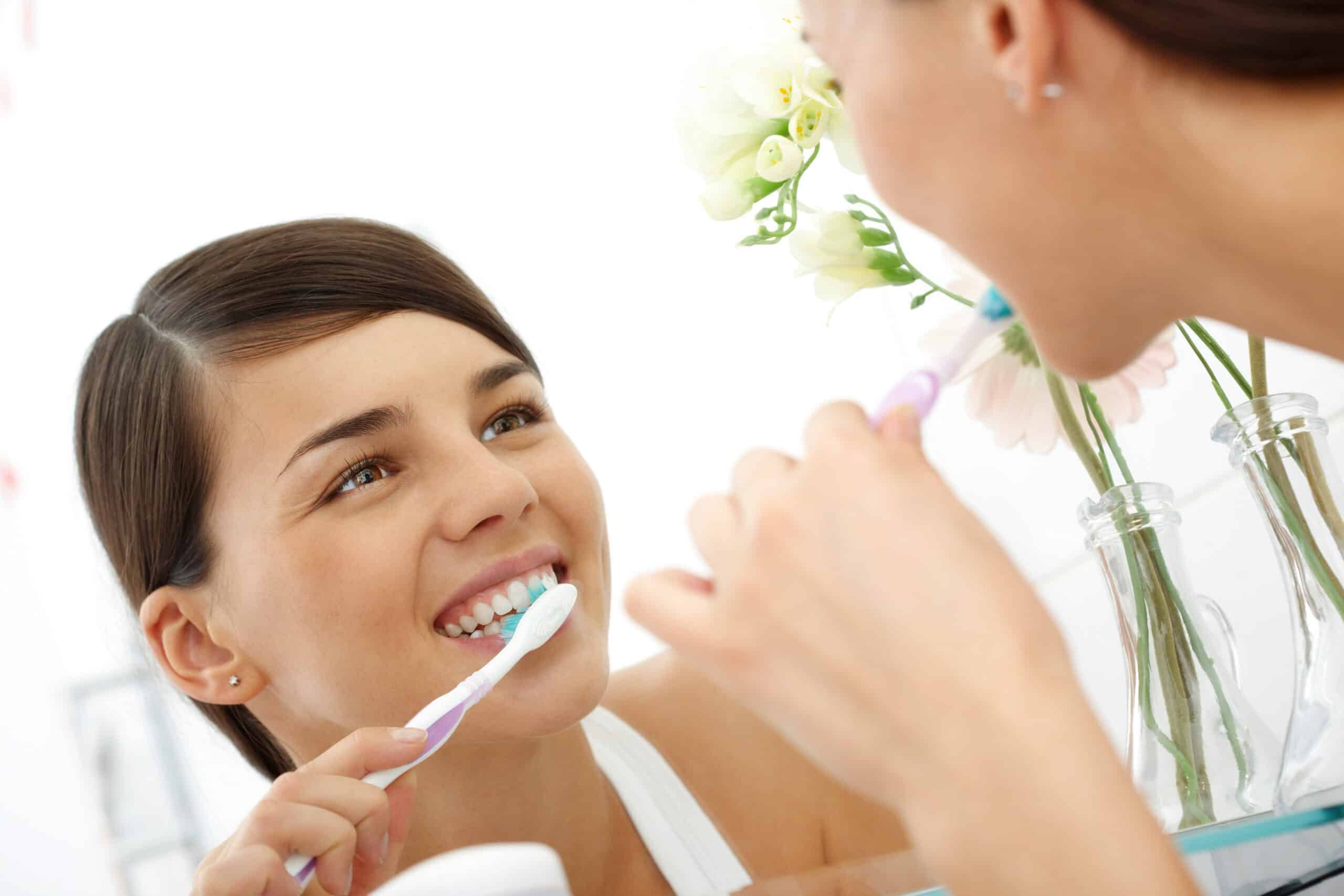
29 Mar 10 Daily Habits That Keep Your Teeth Healthy
When I started paying closer attention to dental health, I realized that it’s not just about occasional checkups—it’s the small daily habits that make the biggest difference. After researching what dentists consistently recommend, I found that maintaining healthy teeth is simpler than most people think.
Daily habits that keep your teeth healthy include brushing twice a day, flossing daily, using fluoride toothpaste, limiting sugar intake, staying hydrated, and maintaining regular dental care routines. If you want stronger teeth, healthier gums, and fewer dental problems, these habits can transform your oral health over time. Let’s take a closer look at how each one works.
The 10 Daily Habits That Support Healthy Teeth
Building strong oral health starts with consistency. These daily habits work together to protect your teeth, prevent decay, and maintain a healthy smile.
- Brush Your Teeth Twice A Day
Brushing in the morning and before bed removes plaque and bacteria that build up throughout the day. Use gentle, circular motions to clean all surfaces of your teeth. - Use Fluoride Toothpaste
Fluoride strengthens enamel and helps prevent cavities. It’s one of the most effective ways to protect your teeth from decay. - Floss Daily
Flossing removes food particles and plaque between teeth where a toothbrush cannot reach. Skipping this step can lead to gum disease and cavities. - Rinse With Mouthwash
An antibacterial mouthwash helps reduce bacteria and freshen breath. It also reaches areas that brushing and flossing may miss. - Limit Sugary Foods And Drinks
Sugar feeds bacteria in your mouth, which produce acids that damage enamel. Reducing sugar intake helps prevent tooth decay. - Drink Plenty Of Water
Water helps wash away food particles and bacteria. It also supports saliva production, which protects your teeth naturally. - Eat A Balanced Diet
Foods rich in calcium, vitamins, and minerals strengthen teeth and gums. A healthy diet supports overall oral health. - Avoid Using Teeth As Tools
Using your teeth to open packages or bite hard objects can cause chips or cracks. Protecting your teeth from unnecessary stress is essential. - Replace Your Toothbrush Regularly
Worn-out bristles are less effective at cleaning. Replacing your toothbrush every three to four months ensures better oral hygiene. - Pay Attention To Early Signs Of Problems
Sensitivity, bleeding gums, or persistent bad breath can signal issues. Addressing these early helps prevent more serious dental problems.
These habits may seem simple, but when practiced consistently, they create a strong foundation for long-term oral health.
Why Daily Habits Matter More Than Occasional Care
Many people think that visiting the dentist alone is enough to maintain healthy teeth, but daily habits play a much larger role. Dental visits typically happen every six months, while your daily routine affects your teeth every single day. Plaque begins to form on teeth within hours after brushing. Without consistent cleaning, it can harden into tartar, which is much harder to remove and requires professional treatment. This is why brushing and flossing daily are essential.
Daily habits also help prevent long-term issues such as cavities, gum disease, and enamel erosion. These problems often develop gradually, making them easier to prevent than to treat. Consistency is key. Even the best dental treatments cannot replace the benefits of proper daily care. By maintaining good habits, you reduce the need for more complex and costly procedures in the future.
The Impact Of Diet On Your Oral Health
What you eat has a direct impact on your teeth and gums. Certain foods can strengthen your teeth, while others can increase the risk of decay. Sugary and acidic foods are the most harmful. They create an environment where bacteria thrive and produce acids that weaken enamel. Limiting these foods can significantly reduce the risk of cavities.
On the other hand, foods rich in calcium and phosphorus help strengthen enamel. Dairy products, leafy greens, and nuts are excellent choices for supporting dental health. Crunchy fruits and vegetables, such as apples and carrots, can also help clean teeth naturally by stimulating saliva production and removing debris. A balanced diet not only benefits your overall health but also plays a crucial role in maintaining strong and healthy teeth.
How To Build Consistent Oral Health Habits
Creating lasting habits requires consistency and routine. The key is to make oral care a natural part of your daily schedule. Start by setting specific times for brushing and flossing. Morning and bedtime routines are ideal because they align with your daily schedule. Keeping your dental supplies easily accessible can also make it easier to stay consistent.
Using reminders or habit-tracking apps can help reinforce your routine. Over time, these habits become automatic and require less effort. It’s also important to educate yourself about proper techniques. Brushing too hard or flossing incorrectly can cause damage rather than prevent it. Learning the right methods ensures that your efforts are effective. Building good habits may take time, but the long-term benefits make it worthwhile.
Common Mistakes That Harm Your Teeth
Even with good intentions, certain habits can negatively impact your oral health. Brushing too aggressively is a common mistake. While it may feel like you’re cleaning more effectively, it can actually wear down enamel and irritate gums. Skipping flossing is another issue. Many people rely solely on brushing, but this leaves plaque and debris between teeth, increasing the risk of cavities.
Consuming sugary drinks frequently throughout the day can also be harmful. Constant exposure to sugar and acid prevents your teeth from recovering. Using an old toothbrush reduces cleaning effectiveness. Replacing it regularly ensures better results. Being aware of these mistakes allows you to adjust your routine and protect your teeth more effectively.
When To See A Dentist Despite Good Habits
Even with excellent daily habits, regular dental visits are still essential. Dentists can detect issues that may not be visible or noticeable at home. Routine checkups help identify problems such as cavities, gum disease, or early signs of oral health conditions. Early detection allows for simpler and more effective treatment.
Professional cleanings remove tartar buildup that cannot be eliminated through brushing and flossing alone. This helps maintain a higher level of cleanliness and reduces the risk of disease. If you experience symptoms such as pain, sensitivity, or bleeding gums, it’s important to seek professional care promptly. These signs may indicate underlying issues that require attention. Combining daily habits with regular dental visits provides the best protection for your oral health.
Related Questions
How long should you brush your teeth each day?
You should brush your teeth for at least two minutes twice a day to effectively remove plaque and maintain good oral hygiene.
Is flossing really necessary every day?
Yes, flossing daily is necessary because it removes plaque and food particles between teeth where a toothbrush cannot reach.
Can drinking water improve oral health?
Yes, drinking water helps wash away bacteria and food particles while supporting saliva production, which protects teeth and gums.
Sorry, the comment form is closed at this time.